Getting up is hard to do, and here is a gallery of some ingenious gadgets that are designed to get you out of bed:
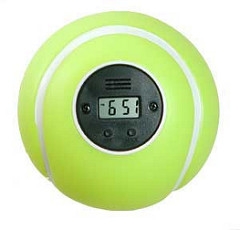
This tennis alarm clock is made out of a soft, rubber-like material. When the alarm goes off, it can be turned off by throwing the tennis clock at the wall, or anything else for that matter (animate or inanimate). It is about 4 1/2 inches tall and wide and comes with a round plastic platform.

Two Chilean engineering students have designed “Buen Despertar” (Good Awakening”) a pillow for waking up deaf people (or those who simply don’t want to hear the alarm clock).
You can programme the pillow to wake you up at any time. The pillow gently shakes your head by inflating and deflating, providing a feeling similar to hair massage.
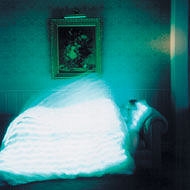
And if this is not enough, you could also try Looph light sleeper duvet. The illuminating alarm integrated into the bedding wakes you up by slowly glowing brighter and brighter over a 15 to 20-minute period, mimicking the slow creep of ambient sunlight at dawn. The system uses electroluminescent technology allowing textile surfaces to become a reactive light source.
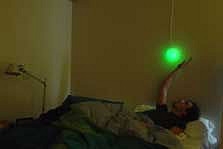
Hayat Benchenaa’s hanging radio alarm clock (done in collaboration with Garikoitz Iruretagoiena) physically drags you out of bed.
In the evening, after you’ve set the alarm, the glowing Sfera gradually dims and the music fades as you drift off to sleep. When the alarm chimes in the morning, you must reach up and tap the Sfera to silence it. Which triggers the snooze function and makes the alarm rise higher. As it slowly rises away from your reach, you must stretch higher each time to gain another ten minutes of snooze.
When Sfera finally reaches the ceiling, you have no option but to get up and drag it back down to your bed — an action which switches off the alarm. (the device was part of the Strangely Familiar exhibit, more to come about it)

When the alarm clock goes off and the snooze button is pressed, Clocky will roll off the bedside table and wheel away, bumping mindlessly into objects on the floor until it eventually finds a spot to rest. Minutes later, when the alarm sounds again, the sleeper must get up out of bed and search for Clocky. This ensures that the person is fully awake before turning it off. Small wheels that are concealed by Clocky’s shag enable it to move and reposition itself, and an internal processor helps it find a new hiding spot every day.
{alarm clock, snooze, gadgets, sleep}
